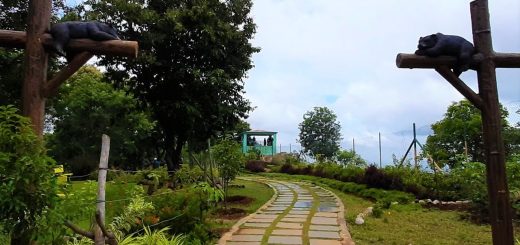
Yercaud: History, Climate & Fascinating Facts about the Hill

Yercaud, often dubbed the “Jewel of the South,” is a serene hill station nestled in the Shevaroy Hills of the Eastern Ghats, in the Indian state of Tamil Nadu. Far from the bustling crowds of more famous hill retreats, Yercaud offers a tranquil escape, enchanting visitors with its verdant landscapes, shimmering lake, and aromatic coffee plantations. This article delves into the captivating story of Yercaud, tracing its historical roots and evolution from a colonial outpost to a cherished tourist destination. We will also explore its unique geographical positioning, which blesses it with a remarkably pleasant and consistent climate, making it an ideal year-round getaway. Join us as we uncover the charm and allure of this picturesque haven.
Unearthing Yercaud’s Historical Tapestry
The name Yercaud itself whispers tales of its natural beauty, translating literally to “Lake Forest” from Tamil, a reference to the prominent lake at its center and the dense forests that once enveloped it. The recorded history of Yercaud largely begins in the 19th century when Mr. M.D. Cockburn, a British collector of Salem district, played a pivotal role in its development. Often hailed as the “Father of Yercaud,” Cockburn was instrumental in introducing coffee plants, apples, and various other fruit trees to the region between 1820 and 1840, transforming the landscape and economy. What started as a remote tribal settlement soon blossomed into a favored summer retreat for the British, seeking respite from the scorching heat of the plains.
The establishment of coffee estates marked a significant turning point, attracting planters and further developing the infrastructure. Over the decades, schools, churches, and bungalows sprang up, each bearing the architectural imprint of the colonial era. Unlike some hill stations that witnessed rapid and often uncontrolled development, Yercaud retained much of its pristine charm, evolving at a more measured pace. Its history is not just about colonial influence but also about the enduring legacy of agriculture and a sustained commitment to preserving its natural environment, making it a unique historical and ecological destination.
The Salubrious Climate of the Shevaroys
Perched at an altitude of approximately 1,515 meters (4,970 feet) above sea level, Yercaud enjoys a remarkably mild and pleasant climate throughout the year, a defining characteristic that sets it apart. Its elevation ensures that even during the peak summer months, temperatures remain comfortably cool, a stark contrast to the oppressive heat of the surrounding plains. This makes it an ideal destination for those seeking an escape from extreme weather conditions.
The climate can be broadly categorized into three seasons:
- Summer (March to June): Pleasant with maximum temperatures rarely exceeding 30°C and minimums around 20°C. Light cotton clothing is sufficient.
- Monsoon (July to October): Yercaud receives moderate rainfall, which rejuvenates its greenery, making the landscape particularly lush and vibrant. While some tourist activities might be limited, the misty atmosphere holds a unique charm. Temperatures range from 18°C to 25°C.
- Winter (November to February): Cool and crisp, with temperatures dropping to around 10-15°C at night and hovering around 20-25°C during the day. Light woolens are advisable, especially for evenings.
The consistent moderation in temperatures, coupled with clean mountain air, contributes significantly to Yercaud’s appeal as a health resort and a tranquil holiday spot. Below is a table illustrating average climatic data:
| Month | Avg. Max Temp (°C) | Avg. Min Temp (°C) | Avg. Rainfall (mm) |
|---|---|---|---|
| January | 25 | 14 | 10 |
| April | 29 | 19 | 30 |
| August | 24 | 18 | 150 |
| November | 23 | 16 | 90 |
Yercaud’s Natural Charms and Attractions
Beyond its inviting climate and intriguing history, Yercaud captivates visitors with its unspoiled natural beauty and a host of gentle attractions. The centerpiece is the Yercaud Lake, a serene artificial lake fringed by gardens, where boating offers a peaceful way to soak in the surroundings. Perched high above, several viewpoints provide breathtaking panoramas of the valley below and the winding Ghat roads. Lady’s Seat, Gent’s Seat, and Children’s Seat offer distinct perspectives, particularly stunning at sunrise and sunset.
For nature enthusiasts, the Botanical Garden is a treasure trove of indigenous and exotic plant species, including the rare Kurinjiflower, which blooms once every twelve years. The Pagoda Point, marked by a heap of stones arranged in a pyramid-like structure by local tribes, offers another spectacular vista. Adding to the charm are the numerous coffee plantations that dot the hillsides, their aromatic presence a constant reminder of Yercaud’s agricultural heritage. Exploring these estates, either on foot or by vehicle, provides insight into the coffee-making process and allows visitors to experience the true essence of the hill station. The serene Kiliyur Falls, though seasonal, adds another dimension to its natural appeal, cascading amidst lush greenery.
Yercaud’s Bountiful Harvests: Coffee and Local Crafts
Yercaud is synonymous with its rich agricultural produce, with coffee being its most renowned contribution. The region’s unique climate and fertile soil provide ideal conditions for cultivating high-quality coffee beans. While many varieties are grown, the Arabica bean is particularly prominent, celebrated for its nuanced flavor profile.
Product Specification: Yercaud Arabica Coffee
- Variety: Primarily Arabica (e.g., S.795, Cauvery)
- Growing Altitude: 3,000 to 5,000 feet above sea level
- Growing Conditions: Shade-grown under silver oak, jackfruit, and orange trees; sustainable farming practices often employed.
- Flavor Profile: Typically mild, aromatic, with low acidity. Often exhibits notes of chocolate, caramel, and subtle spices, sometimes with a fruity undertone. Full-bodied with a clean finish.
- Processing: Both washed and natural processes are used, contributing to distinct flavor characteristics.
Beyond coffee, Yercaud’s fertile lands yield a variety of other delicious fruits and spices. Local orchards are famous for producing juicy oranges, sweet pears, and fragrant guavas. Spices like pepper and cardamom are also cultivated, adding to the region’s agricultural diversity. Visitors can find these fresh products at local markets, offering a taste of the region’s bounty.
In terms of local crafts, while Yercaud isn’t a major handicraft hub, visitors can find simple, charming souvenirs reflecting the local culture. These often include:
- Hand-woven baskets: Crafted from local reeds and bamboo.
- Wood carvings: Small decorative items, sometimes featuring local flora and fauna.
- Aromatic products: Essential oils and soaps derived from local plant extracts.
These local products, especially the coffee, offer a tangible piece of Yercaud’s natural and cultural heritage, making for perfect mementos or gifts.
In summary, Yercaud stands as a captivating testament to nature’s tranquility and historical evolution, offering a serene escape amidst the Shevaroy Hills. We’ve journeyed through its intriguing past, from its discovery and development by M.D. Cockburn and its transformation into a colonial retreat, to its present-day charm. Its consistent, pleasant climate, characterized by mild summers and cool winters, ensures it remains a desirable destination year-round, making it a perfect antidote to urban stress. Furthermore, the exploration of its natural attractions, from the placid Yercaud Lake to the panoramic viewpoints and verdant botanical gardens, underscores its inherent beauty. Finally, Yercaud’s rich agricultural output, particularly its celebrated Arabica coffee and other local produce, provides a delightful taste of its unique bounty. For those seeking a blend of history, natural splendor, and a peaceful ambiance, Yercaud truly is a jewel worth discovering.